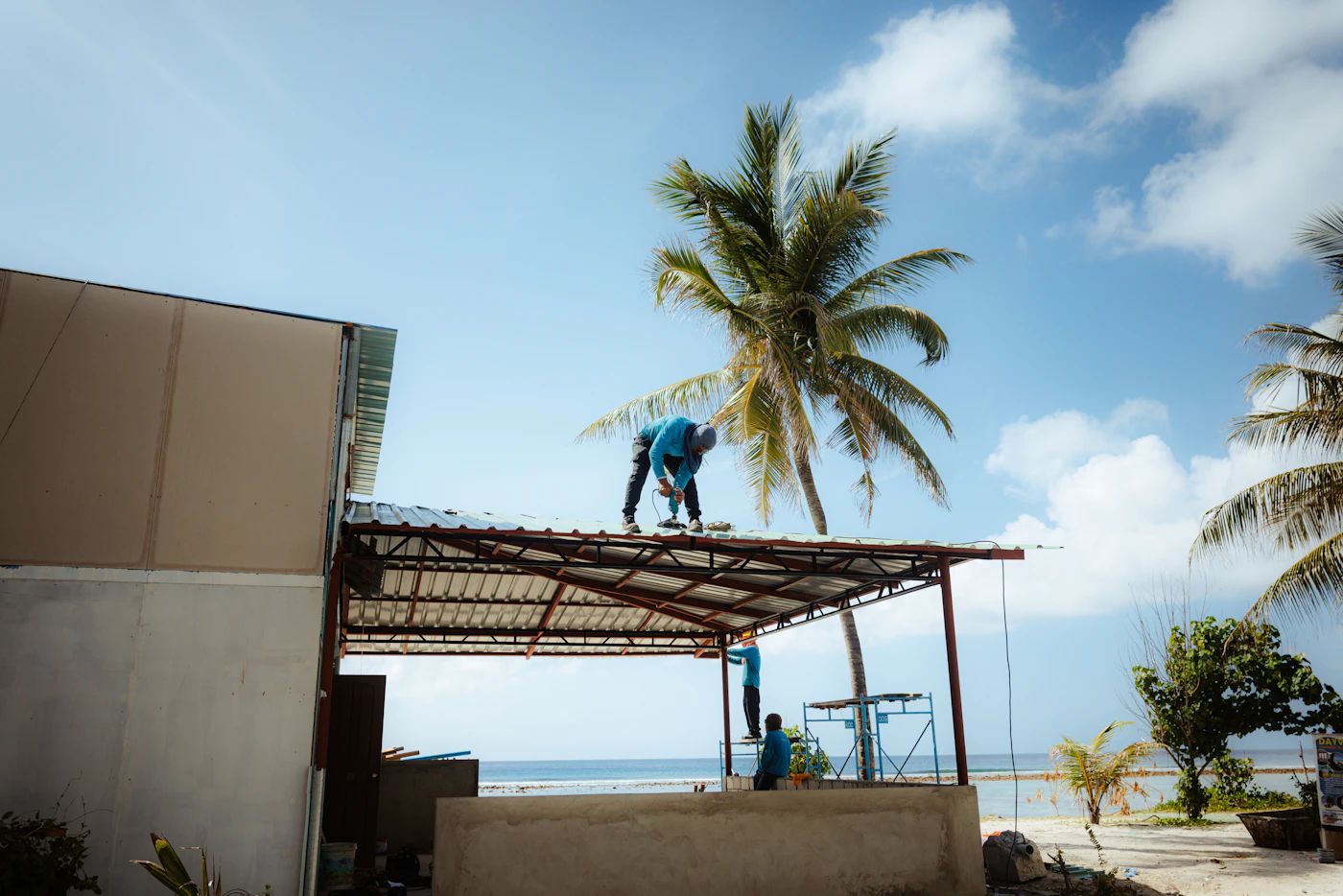
Tools and equipment insurance that goes where they go.
Inland marine coverage for hand tools, power tools, heavy equipment and materials, whether they're on a job site, in a truck or in storage.
By Sam Alishahi · CA Insurance License #4348151 · Reviewed November 2026 · How this page is researched
Liability policies don't cover your tools
General liability protects you from claims by others. It doesn't pay when your tools are stolen from a truck overnight or your skid steer is damaged on site. Commercial property policies usually only cover equipment at a listed location.
Tools and equipment are covered under inland marine, a coverage built for property that moves. I set limits from a schedule of your larger equipment plus a blanket amount for smaller tools.
- Scheduled equipmentNamed items like excavators, skid steers and generators, at agreed values.
- Blanket toolsSmall tools covered up to a total limit without listing each one.
- Rented and borrowedEquipment you rent or borrow, which rental agreements often make you responsible for.
- Materials in transitMaterials and supplies on the way to the job site.
What underwriters will ask
Having these ready means I can go to market on the first call. The quote form asks for the same things, and anything you don’t know yet can wait.
- Large equipment: year, make, model, serial number and value.
- Small tools: estimated total value.
- Rented equipment: how often and typical values.
- Storage: where equipment is kept overnight and how it's secured.
- Financing: lenders or lessors to list.
- History: any theft or damage claims.
Where equipment theft actually happens
The most detailed national breakdown I can point to is an older one: the NER and NICB 2015 Theft Report, published in 2016 and built mainly on National Crime Information Center (NCIC) theft reports. Treat its numbers as a 2015 snapshot, not current figures. It counted 11,493 equipment theft reports in 2015. Texas led that year with 2,058; California was fifth with 645. The top five states accounted for 44% of 2015 thefts.
What the 2015 data showed matters for how you set up coverage:
- Small, mobile gear went first. In 2015, riding mowers and garden tractors made up 5,088 of the reports (44%), loaders 1,945 (skid steers were 1,482 of those), and tractors 1,448. The report names value and mobility as the deciding factors.
- Job sites were the weak spot. The report's summary says most thefts are from work sites with little or no security.
- Newer machines were targets. Equipment built in the prior ten years was 72% of the thefts reported to NCIC in 2015, and 51% was made in the prior five.
- Most of it did not come back. Only 22 percent of equipment stolen in 2015 was recovered. California was second for recoveries that year, with 287.
- Busy season was theft season. 2015 thefts tracked peak construction periods, and the report notes a theft during moves between job sites and fields may go unnoticed longer than one from an owner's yard.
The same report says that, by frequency of loss, theft is a bigger problem than any other type of equipment risk. So when I review a floater, I check where it applies (your yard, job sites, the truck, in transit) and how the theft conditions read. If you run mowers or a skid steer, plan for theft as a likely claim, not a rare one.
Replacement cost, actual cash value and limits
IRMI defines an equipment floater as property insurance covering equipment that is often moved from place to place, and calls it a form of inland marine insurance. IRMI describes the two main valuation methods.
- Replacement cost: IRMI says it is usually defined in the policy as the cost to replace the damaged property with materials of like kind and quality, without any deduction for depreciation.
- Actual cash value (ACV): IRMI says it is usually figured one of three ways: repair or replacement cost minus depreciation, fair market value, or the "broad evidence rule," which considers all relevant evidence of value.
On older gear the gap can be large, because depreciation can come off an ACV valuation and does not come off a replacement cost one. Before you sign, ask me which basis the form uses for scheduled machines and which for small tools, since a policy can treat them differently.
Limits need the same check. IRMI defines a blanket limit as a single limit that applies over more than one location or more than one category of property, as opposed to specific or scheduled limits that apply separately to each. Larger machines are often listed one by one, with tools grouped under one limit. Two things to check:
- Each scheduled value should match what it would take to replace that machine today.
- The tool limit should reflect everything that can be in one truck or on one site at the same time, and any per-item cap inside it should fit your most expensive tool.
Breakdown of a machine is a different question from theft or damage; see equipment breakdown insurance.
Tools and equipment insurance, answered
Does general liability cover stolen tools?
No. General liability covers claims from others. Your own tools and equipment need inland marine or contractor's equipment coverage.
What is inland marine insurance?
Coverage for property that moves or is kept away from your main location, such as tools, equipment and materials in transit or on job sites.
Are tools stolen from my truck covered?
With tools coverage, usually yes, though some policies require signs of forced entry or a locked vehicle. Check the theft conditions in the policy.
Should I insure rented equipment?
Rental agreements usually make you responsible for damage or theft. Rented equipment coverage is often cheaper over a year than buying the rental company's damage waiver every time.
What equipment gets stolen most?
In the NER and NICB 2015 Theft Report (2015 data, published 2016), riding mowers and garden tractors were the most reported (5,088), followed by loaders (1,945, mostly skid steers) and tractors (1,448). The report says value and mobility decide which machines thieves take.
Is stolen equipment usually recovered?
Not often, at least in the most detailed national data I can cite: the NER and NICB report found only 22 percent of equipment stolen in 2015 was recovered. It lists inaccurate or missing ownership records and ambiguous ID number formats among the reasons.
Do you offer tools and equipment insurance outside California?
Yes. Clients across the country send the same quote form. Sam Alishahi is licensed in all 50 states and Washington, DC and places policies there directly. The shopping across carriers works the same way. Rules, minimums and markets differ by state — see insurance requirements by state.
Official sources
- NER and NICB, 2015 Theft Report (published 2016)
- Canyon County Sheriff's Office (Idaho), Construction Theft Prevention tips
- IRS Publication 583, Starting a Business and Keeping Records
- IRMI Glossary: Actual Cash Value
- IRMI Glossary: Replacement Cost
- IRMI Glossary: Equipment Floater
- IRMI Glossary: Blanket Limit
Send your equipment list. I'll shop it.
A list of larger equipment and a total for tools is enough to start.
Alishahi Insurance · Saman Alishahi, independent insurance broker, California License #4348151. General information, not a quote or a promise of coverage; coverage depends on underwriting and the terms, conditions and exclusions of the policy actually issued.
A short video from Sam
Under a minute each. Videos use an AI-generated version of Sam’s likeness and voice. General information only; coverage depends on your policy.
Tell me how to reach you. I’ll take it from there.
Takes about 30 seconds. Your next step comes by email, and you get an update at every step until your quotes are ready.
(877) 711-4545Answered 24/7 · CA License #4348151
Get a reminder before your renewal.
Tell me when your policy renews and I’ll email you about six weeks before, when it’s worth comparing. One email, no calls.