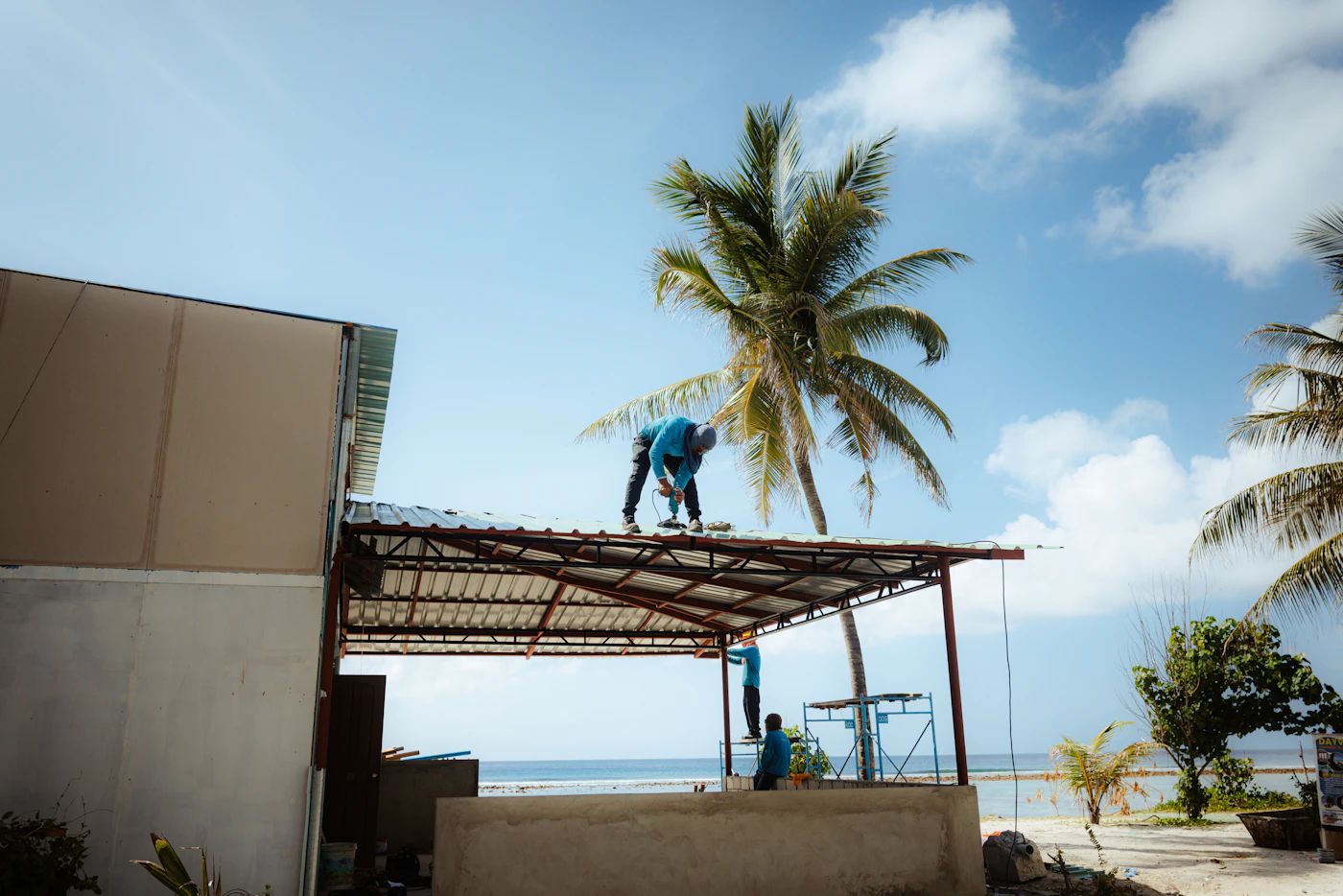
Your fleet is out there. Keep it covered.
Inland marine for your rental fleet, general liability for equipment rented to others, and auto and property for rental companies and equipment dealers.
By Sam Alishahi · CA Insurance License #4348151 · Reviewed November 2026 · How this page is researched
Equipment in someone else's hands
Rental companies carry two risks: damage to or theft of their equipment while it's out, and claims when a renter is hurt using it.
I place rental companies with markets that write rental operations, including those that deliver equipment or provide operators.
- Inland marineYour fleet, on rent and in the yard.
- General liabilityClaims from rented equipment.
- Commercial autoDelivery trucks and trailers.
- PropertyYard, shop and office.
What underwriters will ask
Having these ready means I can go to market on the first call. The quote form asks for the same things, and anything you don’t know yet can wait.
- Fleet: equipment types and total value.
- Rentals: with or without operators.
- Delivery: trucks and trailers.
- Contracts: your rental agreement.
- Revenue and payroll: annual figures.
- History: current policies and loss runs.
What California law puts on each side of a rental
In California, renting out equipment falls under the Civil Code chapter on hiring of personal property, and the code already splits some duties between you and your customer before your rental agreement says a word.
On the renter's side:
- Civil Code 1928: the hirer must use ordinary care to keep the thing safe and in good condition.
- Civil Code 1929: the hirer must repair all deterioration or injury caused by a lack of ordinary care.
On your side, Civil Code 1955 says one who leases personal property must deliver it, protect the renter's quiet enjoyment against all lawful claimants, put it in a condition fit for the purpose it's leased for, and repair deterioration that isn't caused by the renter's fault and isn't the natural result of its use. The statute's "except as otherwise agreed" language applies only to lease agreements for a term of more than 20 days.
What that means in practice: because the code puts the fitness and repair duties on you, your pre-rental inspection and maintenance records matter when a renter says the machine failed on them. Keep a signed checkout sheet that records condition, hours and attachments, and a return sheet that does the same. When I send your file to underwriters, your rental agreement and those records are among the first things they ask about.
One caution: Civil Code 1939.01 opens California's rental passenger vehicle chapter, and it defines a rental company as a business renting passenger vehicles to the public. Its damage waiver definitions and the sections that follow are written for car rental, not for skid steers or scissor lifts. The car-rental version is explained at California rental car damage waiver rules. Outside California, the rules for hiring personal property vary by state.
Who has to train the operator
Renting a machine to a contractor doesn't hand over the job of training the person who runs it. The federal OSHA rules put that duty on the employer of the operator, which is usually your customer, not you.
- Forklifts and other powered industrial trucks, 29 CFR 1910.178(l): before letting an employee operate a truck (except for training), the employer must ensure the operator has completed training that combines formal instruction, practical training and an evaluation of performance in the workplace. Each operator is evaluated at least once every three years. Refresher training is required after unsafe operation, an accident or near-miss, an evaluation showing unsafe operation, assignment to a different type of truck, or a workplace change that could affect safe operation. The employer certifies the training with the operator's name, the training and evaluation dates, and who trained and evaluated.
- Aerial lifts, 29 CFR 1910.67(c)(2) and, in construction, 1926.453(b)(2): lift controls are tested each day before use, and only trained (1910.67) or authorized (1926.453) persons operate. 1910.67 requires a personal fall arrest or travel restraint system attached to the boom or basket. 1926.453 calls for a body belt and lanyard, with a note that body belts are not acceptable as part of a personal fall arrest system but may be used in a restraint system.
Where this touches your insurance: if you rent with an operator who is your employee, the training duty is yours, which is why underwriters ask the operator question first and why it belongs on your workers' compensation and general liability applications. If you rent bare, a rental agreement in which the customer confirms its operators are trained, plus a requirement that the customer name you as additional insured (see how additional insured works for contractors), shows underwriters you've thought about who answers for a jobsite injury. Hand out the manufacturer's operating manual with every machine, and note on the checkout sheet that you did.
Equipment rental insurance, answered
Who's responsible when a renter damages equipment?
Your rental agreement sets that. Inland marine protects your equipment either way.
Are operators covered?
Renting with operators changes the exposure. Disclose it.
Is theft from job sites covered?
Inland marine covers theft, subject to security conditions.
Can you review my rental agreement?
Yes. It affects how claims are handled.
Do you offer equipment rental insurance outside California?
Yes. Clients across the country send the same quote form. Sam Alishahi is licensed in all 50 states and Washington, DC and places policies there directly. The shopping across carriers works the same way. Rules, minimums and markets differ by state — see insurance requirements by state.
Official sources
- California Civil Code 1928 (hirer's ordinary care)
- California Civil Code 1929 (hirer's repairs)
- California Civil Code 1955 (lessor of personal property)
- California Civil Code 1939.01 (rental passenger vehicle definitions)
- California Penal Code 484 (theft; rented property)
- 29 CFR 1910.178, powered industrial trucks (Cornell LII)
- 29 CFR 1910.67, vehicle-mounted elevating and rotating work platforms (Cornell LII)
- 29 CFR 1926.453, aerial lifts (Cornell LII)
- 16 CFR 1407.1, portable generators: purpose, scope and effective date (Cornell LII)
- 16 CFR 1407.3, portable generator CO labeling (Cornell LII)
Send your fleet details. I'll shop it.
Fleet value, equipment types and revenue are enough to start.
Alishahi Insurance · Saman Alishahi, independent insurance broker, California License #4348151. General information, not a quote or a promise of coverage; coverage depends on underwriting and the terms, conditions and exclusions of the policy actually issued. Some policies may be placed with nonadmitted (surplus lines) insurers, which are not members of the California Insurance Guarantee Association (CIGA).
Tell me how to reach you. I’ll take it from there.
Takes about 30 seconds. Your next step comes by email, and you get an update at every step until your quotes are ready.
(877) 711-4545Answered 24/7 · CA License #4348151
Get a reminder before your renewal.
Tell me when your policy renews and I’ll email you about six weeks before, when it’s worth comparing. One email, no calls.