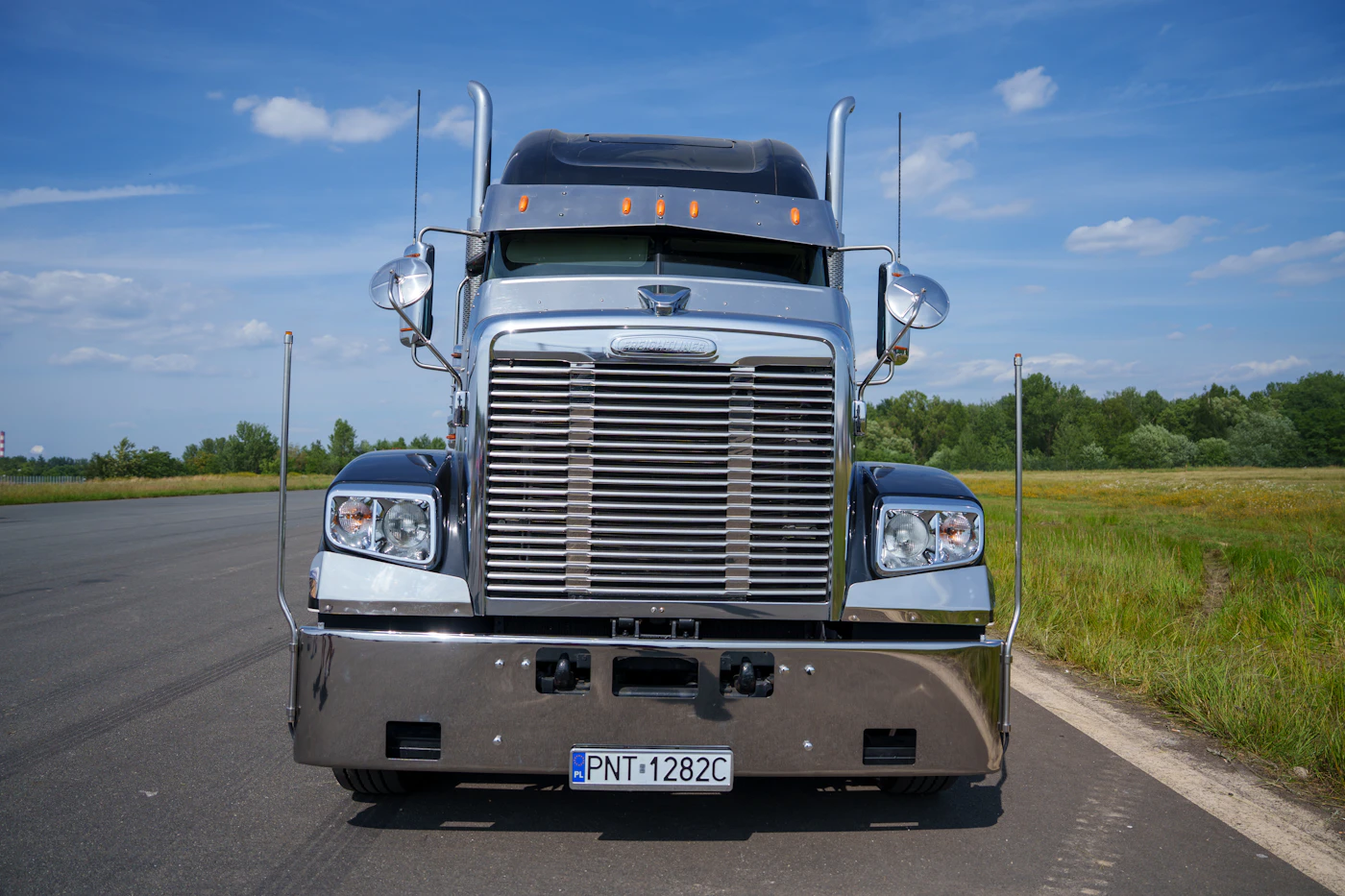
Limo and party bus coverage that meets CPUC rules.
Auto liability at the limits the California Public Utilities Commission sets, physical damage and workers' comp for limousine, black car, party bus and charter companies.
By Sam Alishahi · CA Insurance License #4348151 · Reviewed November 2026 · How this page is researched
Seats set your limit
Charter-party carriers in California need a CPUC permit, and the CPUC sets minimum liability by how many seats a vehicle has, counting the driver: $750,000 for 8 or fewer, $1.5 million for 9 to 15, and $5 million for 16 or more. Party buses carry the highest limits and the closest underwriting.
I place limousine and party bus operators with the carriers that write passenger transportation, and handle the filings your permit depends on.
- Auto liabilityAt the CPUC minimum for each vehicle's seating.
- Physical damageRepairs to your limos and buses.
- Workers' compChauffeurs and staff.
- Liquor liabilityWhen alcohol is served or allowed on board.
What underwriters will ask
Having these ready means I can go to market on the first call. The quote form asks for the same things, and anything you don’t know yet can wait.
- Vehicles: year, make, VIN, seating capacity and value.
- Drivers: names, dates of birth, license numbers and experience.
- Permit: your CPUC TCP number, or that you're applying.
- Operations: airport, events, weddings, party bus, with rough percentages.
- Alcohol: whether passengers drink on board.
- Current policy: declarations and loss runs.
GO 157-E: the paper trail on every trip
Under Section 3.01 of the CPUC's General Order 157-E, Class A and Class B carriers and carriers holding permits under Public Utilities Code 5384(b) may provide only prearranged trips, and the driver must carry a waybill showing:
- Carrier name and TCP number, plate number and driver's name.
- Name and address of whoever arranged the charter, and when it was arranged.
- Whether it was arranged by telephone, written contract or electronic communication.
- Group size, and one passenger's name or the group's affiliation.
- Points of origination and destination.
The waybill can be electronic or paper, and the driver must show it on request to a Commission or airport enforcement officer or an authorized city or county official. Section 6.01 makes you keep waybills, lease and sub-carrier agreements, maintenance and safety records, driver records and consumer complaint records for at least three years.
Two rules touch your insurance file directly. Section 4.01 requires an equipment list on file with the Commission for every owned or leased vehicle, including the VIN, seating capacity counting the driver, whether it is a modified limousine and its terminal address. Additions and deletions must be filed within ten days of the date a vehicle goes into or comes out of service. I match your commercial auto vehicle schedule to that list. Section 3.04 lets you use another carrier's vehicle and driver only if that carrier holds its own charter-party authority from the Commission, and the arrangement must be in writing, naming both carriers, their TCP numbers and the services to be provided.
Drug and alcohol testing by seat count
Part 10 of GO 157-E requires charter-party applicants, new and renewal, to provide a controlled substance and alcohol testing program, split by seating with the driver counted:
- 15 seats or fewer: the Commission's program, built on 49 CFR Parts 40 and 382, unless all of those drivers are already covered by federal testing rules.
- 16 seats or more: those drivers fall under the federal controlled substance and alcohol testing regulations.
The Commission's program calls for pre-employment, post-accident, random, reasonable-suspicion, return-to-duty and follow-up testing, but pre-employment alcohol testing is not required. A negative alcohol test means a breath alcohol concentration below 0.02 percent. You must give drivers educational materials and train supervisors to judge reasonable suspicion. You pay its costs, though a driver who tests positive can be made to pay for rehabilitation and later testing.
If you are an applicant who will also drive, the medical review officer or your consortium administrator sends your pre-employment controlled substance results straight to the Commission with a new application, and your most recent controlled substance and alcohol results with a renewal. The CPUC's licensing page links to a list of consortia and third-party administrators.
Section 5.04 adds 49 CFR 392.4 and 392.5, which bar drivers from using or being under the influence of drugs or alcohol on duty, and bar carriers from allowing it. Underwriters ask whether your testing program exists.
Limousine insurance, answered
How much liability does a limo need in California?
The CPUC minimum depends on seating, counting the driver: $750,000 for vehicles seating 8 or fewer, $1.5 million for 9 to 15, and $5 million for 16 or more.
Can I get insurance before my CPUC permit?
Yes. The CPUC needs proof of insurance to issue the permit, so the policy and filing come first.
Is a party bus harder to insure?
Yes. Higher seating, alcohol and night events mean fewer carriers and higher limits.
Do drivers need to be employees?
Carriers prefer it, and it affects workers' comp. Tell me how your drivers are paid and I'll set it up correctly.
Do interstate limousine trips fall under FMCSA rules?
Under 49 CFR 390.5T, the definition now in force, a vehicle used in interstate commerce that is designed or used to carry more than 8 passengers, including the driver, for compensation is a commercial motor vehicle. Under 49 CFR 387.33T, for-hire interstate passenger carriers must meet minimum public liability levels of $1,500,000 for vehicles seating 15 or fewer and $5,000,000 for 16 or more, driver included, with narrow exceptions.
What does California require when minors ride a party bus with alcohol aboard?
Public Utilities Code 5384.1 makes the carrier ask before booking whether alcohol will be aboard and whether anyone is under 21. If both, a designee 25 or older must ride whenever under-21 passengers are aboard without a parent or guardian, check IDs and read the required warning before the trip starts. Repeat violations can lead the CPUC to suspend or revoke the permit.
Do you offer limousine insurance outside California?
Yes. Clients across the country send the same quote form. Sam Alishahi is licensed in all 50 states and Washington, DC and places policies there directly. The shopping across carriers works the same way. Rules, minimums and markets differ by state — see truck insurance by state or insurance requirements by state.
Official sources
- CPUC General Order 157-E, Rules Governing Charter-Party Carriers
- CPUC: Licensing Requirements for Charter-Party Carriers
- California Vehicle Code 1808.1 (Employer Pull Notice)
- California Vehicle Code 12810.5 (negligent operator)
- California Vehicle Code 27375 (modified limousine exits)
- California Vehicle Code 34500.4 (modified limousine terminal inspections)
- California Public Utilities Code 5384.2
- California Public Utilities Code 5384.1
- 49 CFR 390.5T, definitions (Cornell LII)
- 49 CFR 387.33T, passenger carrier financial responsibility (Cornell LII)
Send your vehicles and drivers. I'll shop it.
A vehicle list with seating, a driver list and your current declarations page are enough to start.
Alishahi Insurance · Saman Alishahi, independent insurance broker, California License #4348151. General information, not a quote or a promise of coverage; coverage depends on underwriting and the terms, conditions and exclusions of the policy actually issued. Some policies may be placed with nonadmitted (surplus lines) insurers, which are not members of the California Insurance Guarantee Association (CIGA).
Tell me how to reach you. I’ll take it from there.
Takes about 30 seconds. Your next step comes by email, and you get an update at every step until your quotes are ready.
(877) 711-4545Answered 24/7 · CA License #4348151
Get a reminder before your renewal.
Tell me when your policy renews and I’ll email you about six weeks before, when it’s worth comparing. One email, no calls.