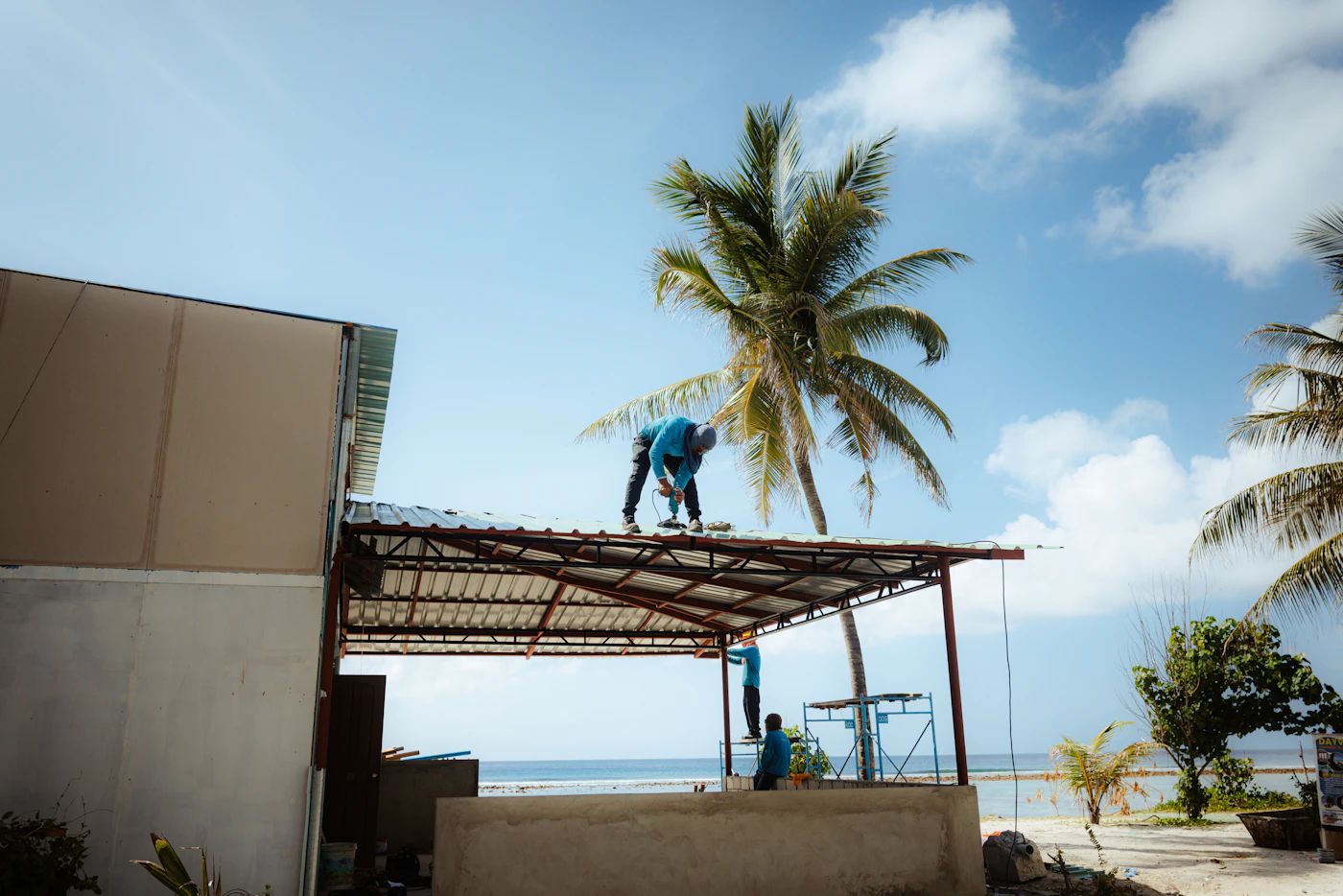
Glazing insurance for glass, height and water.
General liability, workers' comp, materials coverage, commercial auto and license bonds for window, storefront, shower door and curtain wall contractors.
By Sam Alishahi · CA Insurance License #4348151 · Reviewed November 2026 · How this page is researched
Three risks carriers ask about
Glazing contractors face injury risk from heavy glass and work at height, property claims when a pane breaks or falls, and water intrusion claims when a window or storefront leaks after the job is done. Curtain wall and multi-story work is rated very differently from residential window replacement and shower doors.
Glazing is licensed by the CSLB under the C-17 classification. Glass you break while installing it is usually your own loss rather than a liability claim, so I look at materials and installation coverage alongside general liability, workers' comp and the trucks that carry the glass.
- General liabilityInjuries and damage to others' property, including leaks and failures after the job is done.
- Workers' compLifting, cuts and falls, for employees now and all licensed contractors from January 1, 2028.
- Materials and equipmentGlass and frames in transit or on site, plus suction lifts and tools.
- Commercial autoGlass racks, trucks and trailers.
What underwriters will ask
Having these ready means I can go to market on the first call. The quote form asks for the same things, and anything you don’t know yet can wait.
- License: CSLB number and classifications.
- Work: residential windows, shower doors, storefronts or curtain wall, with rough percentages.
- Height: the tallest buildings you work on and whether you use swing stages or lifts.
- Projects: new construction, remodel or replacement, and any condo or tract work.
- Payroll and revenue: employees, subcontractor costs and gross receipts.
- History: current policies and loss runs.
The federal safety glazing rule behind shower door claims
When a shower door or patio slider shatters and someone is cut, a federal rule sits underneath the claim. The Consumer Product Safety Commission's safety standard for architectural glazing materials, 16 CFR Part 1201, covers glazing used in these products:
- Storm doors or combination doors, and other doors used as a means of human passage, whether they slide, pivot, swing on hinges or revolve.
- Bathtub doors and enclosures installed on the lip of or immediately surrounding a tub.
- Shower doors and enclosures that form all or part of the wall or door of a shower stall.
- Sliding glass doors (patio-type).
"Glazing material" in the rule means glass, including annealed, organic-coated, tempered, laminated and wired glass. Section 1201.4 requires covered products to be tested under the applicable provisions of ANSI Z97.1-2015. The rule also lists exemptions, including wired glass in fire-retarding doors where a fire ordinance requires it, louvers of jalousie doors, door openings a 3-inch sphere can't pass through, curved panels in revolving doors and commercial refrigerated cabinet doors.
What this means for your file: if a tub or shower enclosure you installed breaks and someone is hurt, the first questions are whether the glass met the standard and whether it went in the right way. Keep the supplier's paperwork and photos of the glass markings on every bath and door job. That record is what you'll want on hand if a claim comes in under the completed-operations part of your general liability policy. Tell me what share of your work is shower and tub enclosures so the application describes your operations accurately.
Knuckle-boom trucks and the federal crane rule
If your glass truck carries an articulating (knuckle-boom) crane, know where it stands under federal OSHA's construction crane standard, 29 CFR 1926 Subpart CC. Section 1926.1400(a) lists articulating cranes, such as knuckle-boom cranes, in its scope. Whether a given lift falls under it depends on what the boom is doing.
- Delivery only. Under 1926.1400(c)(17)(i), the standard doesn't apply to a knuckle-boom truck crane delivering material when it only moves material from the truck to the ground without arranging it in a particular sequence for hoisting.
- Holding glass while it's set. Under (c)(17)(iii), that exclusion doesn't apply when the crane is used to hold, support or stabilize material to help with construction work, such as holding it in place while it's attached to the structure. It also doesn't apply when the material is a prefabricated component or structural steel.
- Forklifts. Under (c)(8), forklifts are outside the standard unless they're configured to hoist and lower a suspended load by winch or hook and move it horizontally.
In California, the state plan is run by the Department of Industrial Relations through Cal/OSHA and covers private employers and state and local government employers. Ask your crane supplier or safety consultant which Title 8 orders apply to your California jobs.
For insurance, the boom truck shows up on both your commercial auto and your liability applications. Tell both underwriters whether the boom only unloads or also sets glass, the truck's lifting capacity, and who operates it. If you run several racked trucks, a contractor fleet setup can keep them on one schedule.
Glazing contractor insurance, answered
Does general liability cover glass I break during installation?
Usually not. Liability policies generally exclude damage to your own work and to property you're working on. An installation floater or builder's risk policy can cover glass and materials until the job is accepted.
Why does height change glazing insurance?
Work on multi-story buildings brings fall risk for your crew and the risk of glass falling on people below. Carriers ask for the height of your tallest jobs and price workers' comp and liability around it.
Are leaks covered after the job is finished?
Claims that your completed work caused water damage are handled under the completed operations part of general liability. Some policies limit residential or condo work, so the wording needs to match the projects you take on.
Do glazing contractors need workers' comp?
If you have employees, yes. Starting January 1, 2028, all CSLB-licensed contractors must carry workers' compensation, with limited exceptions.
Do shower doors have to be safety glass?
Glazing in shower doors and enclosures, bathtub doors and enclosures, sliding patio doors, storm doors and other doors falls under the CPSC's safety standard for architectural glazing materials, 16 CFR Part 1201. Covered products must be tested under the applicable provisions of ANSI Z97.1-2015.
At what height do glaziers need fall protection in California?
Cal/OSHA Title 8, Section 1670 requires approved personal fall arrest, restraint or positioning systems for employees exposed to falling more than 7 1/2 feet from the perimeter of a structure or other listed hazards, unless the hazard is otherwise adequately protected. Federal OSHA's construction trigger for unprotected sides and edges, in 29 CFR 1926.501(b)(1), is 6 feet.
Do you offer glazing contractor insurance outside California?
Yes. Clients across the country send the same quote form. Sam Alishahi is licensed in all 50 states and Washington, DC and places policies there directly. The shopping across carriers works the same way. Rules, minimums and markets differ by state — see insurance requirements by state.
Official sources
- 16 CFR 1201.1 Scope, safety standard for architectural glazing materials (Cornell LII)
- 16 CFR 1201.2 Definitions (Cornell LII)
- 16 CFR 1201.4 Test procedures (Cornell LII)
- Cal/OSHA Title 8 Section 1670, personal fall arrest, restraint and positioning
- Cal/OSHA Title 8 Section 3648, operating instructions (aerial devices)
- 29 CFR 1926.501, duty to have fall protection (Cornell LII)
- 29 CFR 1926.1400, cranes and derricks in construction: scope (Cornell LII)
- California Energy Commission, 2025 Building Energy Efficiency Standards (Title 24 Part 6 and Part 1), CEC-400-2025-010-F
- OSHA State Plans: California
- California Energy Commission, 2025 Building Energy Efficiency Standards
Tell me the glass you install. I'll shop it.
Your CSLB number, project types and revenue are enough to start.
Alishahi Insurance · Saman Alishahi, independent insurance broker, California License #4348151. General information, not a quote or a promise of coverage; coverage depends on underwriting and the terms, conditions and exclusions of the policy actually issued. Some policies may be placed with nonadmitted (surplus lines) insurers, which are not members of the California Insurance Guarantee Association (CIGA).
Tell me how to reach you. I’ll take it from there.
Takes about 30 seconds. Your next step comes by email, and you get an update at every step until your quotes are ready.
(877) 711-4545Answered 24/7 · CA License #4348151
Get a reminder before your renewal.
Tell me when your policy renews and I’ll email you about six weeks before, when it’s worth comparing. One email, no calls.