Coverage for the lot, the inventory and the test drive.
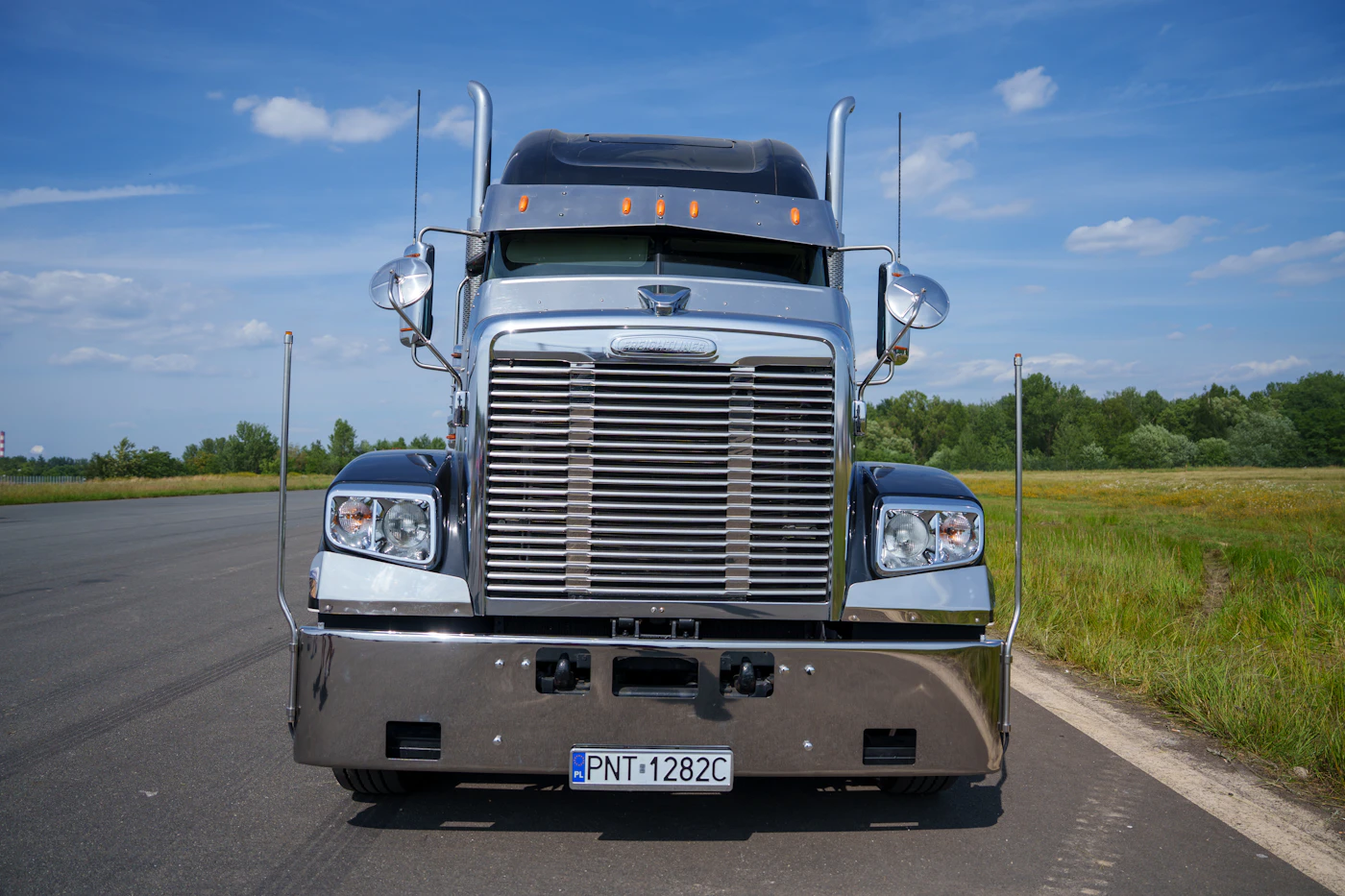
Insurance for used car dealers, heavy truck dealers, wholesalers, and auto salvage and dismantling yards.
Quick answer An auto dealer needs garage liability for operations and dealer plates, dealer's open lot coverage for inventory, garagekeepers for customers' cars and, in California, a DMV dealer surety bond.
- Dealer's open lot coverage is physical damage coverage for the vehicles in a dealer's inventory, for losses such as theft, hail and vandalism.
- Garage liability generally covers a dealer's operations, including vehicles driven on dealer plates, subject to the policy terms.
- California dealers need a DMV dealer license and a surety bond, and floor-plan lenders set their own insurance requirements.
- Underwriters rate auto dealer insurance on inventory values, lot security, dealer plates, drivers, location and claims history.
By Sam Alishahi · CA Insurance License #4348151 · Reviewed November 2026 · How this page is researched
Dealers need garage coverage
A dealership's risk lives on the lot and on the road: customers test-driving cars, employees moving inventory, and cars damaged by hail, theft or vandalism. Garage liability covers the operations and dealer plates, and dealer's open lot covers the inventory itself.
California dealers need a DMV dealer license and a surety bond, and floor-plan lenders set their own insurance requirements. I place dealer coverage through a specialty program for dealers, salvage yards and garages.
- Garage liabilityOperations, test drives and vehicles on dealer plates.
- Dealer's open lotPhysical damage to inventory on the lot.
- GaragekeepersCustomers' vehicles in your care.
- DMV dealer bondThe surety bond required for your license.
What underwriters will ask
Having these ready means I can go to market on the first call. The quote form asks for the same things, and anything you don’t know yet can wait.
- License: DMV dealer license type and years in business.
- Inventory: average and peak inventory values.
- Lot: location, fencing, lighting and security.
- Plates and drivers: dealer plates and who drives them.
- Floor plan: lender insurance requirements.
- History: current policies and claims.
California's dealer bond and lot rules
In California the DMV won't issue a dealer license without a surety bond on file, and a new bond has to be filed before the license is renewed (Vehicle Code 11710). The bond answers for monetary losses a purchaser, seller, financing agency or government agency suffers from the dealer's fraud or fraudulent representations. It protects them, not you (see surety bond vs. insurance).
- Most dealers: $50,000.
- Motorcycle or ATV only: $10,000 (11710).
- Wholesale-only, fewer than 25 vehicles a year: $10,000 (11710.1). The DMV's form OL 56 claims the exemption from the $50,000 bond and is filed again at each renewal. Auction and dealer-to-dealer sales both count, and the form warns that a license is automatically canceled if the $50,000 bond isn't filed before the 25th sale in a one-year period.
- Bond kept whole: if the bond amount drops, or a final judgment against you and your surety goes unpaid, the license is suspended automatically until the bond is restored or the judgment is paid (11710(c)).
Established place of business
No license is issued without one (11712). It has to be a place you actually occupy, all the time or at regular intervals, where the books and records are kept (320). The office can't be temporary, transitory or mobile; a trailer coach office is allowed if it isn't offered for sale while used as the office (13 CCR 270.00). If you move, tell the DMV immediately. If you lose the location, the DMV can demand your license, special plates and report-of-sale books (11712). Bond amounts and lot rules vary by state.
Garage liability, garagekeepers and open lot, form by form
IRMI describes a garage policy as a commercial auto policy designed for auto dealers that combines garage liability, garagekeepers and auto physical damage. ISO added a separate Auto Dealers Coverage Form, CA 00 25, with its 10 13 edition, for franchised and non-franchised auto and trailer dealers.
- Garage liability: bodily injury and property damage claims from dealer operations. IRMI notes separate insuring agreements for operations involving autos and for all other operations. More at garage liability insurance.
- Garagekeepers: customers' cars in your care for service or repair. Legal liability garagekeepers responds only when you're legally liable. Direct coverage (once called extra legal liability) applies regardless of fault, written either primary or excess over the customer's own policy. Under CA 00 25 it needs no separate endorsement; other auto businesses add it to a business auto policy with CA 99 37. See what garagekeepers covers.
- Dealers open lot (dealers physical damage): your own inventory. Massachusetts' manual applies it to autos held for sale, demonstrators and service autos, consignment cars listed on the declarations, and sold cars awaiting delivery unless the buyer's insurance covers them. Parts kept for sale and not attached to a car are excluded. It can be written on a reporting basis (premium earned each month or quarter) or with set limits per location.
- False pretense (CA 25 03): IRMI names it as an extra that dealer open lot programs may include.
Massachusetts' manual defines a standard open lot as one enclosed by metal cyclone or equivalent fencing at least six feet high (or by building walls with no unprotected openings), with openings locked when no one is there.
Auto dealer insurance, answered
What is dealer's open lot coverage?
Physical damage coverage for the vehicles in your inventory, for losses such as theft, hail and vandalism.
Does garage liability cover test drives?
Garage liability generally covers your operations, including vehicles driven on dealer plates, subject to the policy terms.
Do California dealers need a bond?
Yes. The DMV requires a surety bond to issue a dealer license.
What do underwriters rate on?
Inventory values, lot security, plates, drivers, location and claims history.
How much is a California auto dealer bond?
$50,000 for most dealers and $10,000 for dealers who sell only motorcycles or ATVs (Vehicle Code 11710). A wholesale-only dealer selling fewer than 25 vehicles a year posts a $10,000 bond (Vehicle Code 11710.1) and claims the $50,000 exemption on DMV form OL 56 at each renewal.
Do you offer auto dealer insurance outside California?
Yes. Clients across the country send the same quote form. Sam Alishahi is licensed in all 50 states and Washington, DC and places policies there directly. The shopping across carriers works the same way. Rules, minimums and markets differ by state — see insurance requirements by state.
Official sources
- California Vehicle Code 11710 (dealer bond) - California Public Law
- California Vehicle Code 11710.1 (wholesale-only dealer bond) - California Public Law
- California DMV OL 56 $50,000 bond exemption application (wholesale-only dealers)
- California Vehicle Code 11715 (special dealer plates) - California Public Law
- California Insurance Code 11580.9 (primary and excess) - California Public Law
- NCRF circular RF-13-5 with ISO Auto Dealers rules (CA 00 25, CA 25 15)
- CAR Commercial Automobile Insurance Manual, Section VI Auto Dealers (Massachusetts)
- California DMV OLIN 2026-10, Implementation of CARS Act (SB 766)
- 49 U.S.C. 32710 (odometer civil actions) - Cornell LII
- FTC Dealer's Guide to the Used Car Rule
Tell me about your lot. I'll shop it.
Your license type, inventory values and lot security are enough to start.
Alishahi Insurance · Saman Alishahi, independent insurance broker, California License #4348151. General information, not a quote or a promise of coverage; coverage depends on underwriting and the terms, conditions and exclusions of the policy actually issued. Some policies may be placed with nonadmitted (surplus lines) insurers, which are not members of the California Insurance Guarantee Association (CIGA).
Tell me how to reach you. I’ll take it from there.
Takes about 30 seconds. Your next step comes by email, and you get an update at every step until your quotes are ready.
(877) 711-4545Answered 24/7 · CA License #4348151
Get a reminder before your renewal.
Tell me when your policy renews and I’ll email you about six weeks before, when it’s worth comparing. One email, no calls.