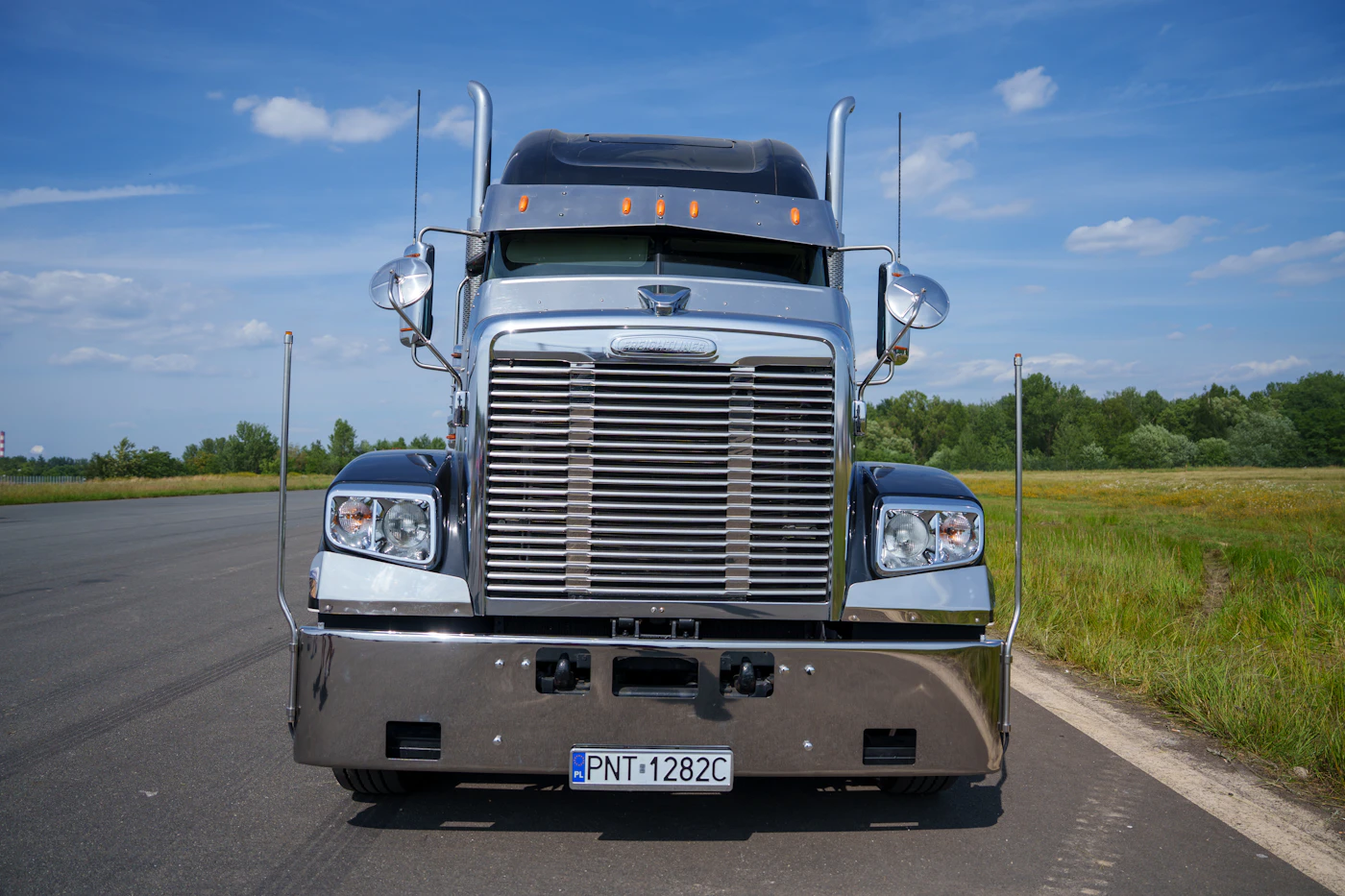
Dump truck insurance for the job site and the road.
Auto liability, physical damage, general liability and workers' comp for dump truck owner-operators and fleets hauling sand, gravel, base, asphalt and demolition debris.
By Sam Alishahi · CA Insurance License #4348151 · Reviewed November 2026 · En español · How this page is researched
Heavy loads, tight job sites
Dump truck claims come from both sides of the job: rollovers and backing accidents on uneven sites, and rocks or debris coming off a load and cracking windshields on the freeway. General contractors also expect certificates with their own wording before you haul a single load.
I place dump truck operations with carriers that write construction hauling, line up the auto and general liability so the gaps between them are covered, and set physical damage on trucks and trailers at values that hold up at claim time.
- Auto liabilityInjuries and damage your trucks cause on the road and on site.
- Physical damageCollision, overturn, fire and theft on your trucks and trailers.
- General liabilityJob-site claims that don't involve driving the truck.
- Workers' compDrivers and yard help on your payroll.
What underwriters will ask
Having these ready means I can go to market on the first call. The quote form asks for the same things, and anything you don’t know yet can wait.
- Trucks: year, make, VIN, type (ten-wheeler, super dump, transfer, end or belly dump) and value.
- Drivers: names, dates of birth, license numbers and years in dump trucks.
- Hauling: what you carry, who you haul for and how far you run.
- Numbers: USDOT, MC and California CA numbers, if you have them.
- Contracts: the certificate wording and limits your contractors require.
- History: current declarations and loss runs.
Hauling for public works in California
Labor Code 1720.3 makes two kinds of hauling public works for prevailing wage purposes on state and local government contracts: hauling refuse from a public works site to an outside disposal location, and on-hauling paving, grading and fill materials when the individual driver's work is "integrated into the flow process of construction." Refuse includes soil, sand, gravel, rocks, concrete, asphalt, excavation materials and construction debris.
What DIR's guidance adds:
- Off-haul: drivers hauling refuse from a public works jobsite are paid the "Driver (On/Off-Hauling To/From Construction Site)" rates.
- On-haul: paving, grading and fill deliveries get prevailing wage only when the driver's work is integrated into the flow process, at the rate for the area where the jobsite sits, even when the route crosses counties.
- Registration and payroll: any entity that employs a driver doing covered hauling, material suppliers included, must register as a public works contractor and keep certified payroll records. DIR's registration FAQ also counts sole proprietors as public works contractors even if they have no employees.
- Small projects: DIR doesn't require registration for work only on projects of $25,000 or less for new construction, alteration, installation, demolition or repair, or $15,000 or less for maintenance. The figure is the whole prime contract, not your subcontract, and certified payroll records are still required.
DIR lists workers' compensation for any employees among the registration requirements, and registration runs by fiscal year, July 1 to June 30. Tell me before new drivers start on a public job so the comp policy matches the payroll.
Covering loads: the six-inch rule
In California, Vehicle Code 23114 bars driving on a highway unless the vehicle is built, covered or loaded so its contents can't drop, sift, leak, blow, spill or escape. For aggregate, meaning rock fragments, pebbles, sand, dirt, gravel, cobbles, crushed base, asphalt and similar materials, it adds:
- Where it rides: only in the cargo area, which can have no holes, cracks or openings.
- Equipment: working seals on dump openings, including bottom dump gates and tailgates; splash flaps behind every tire or set of tires; center flaps behind bottom dump release gates; fenders over tire tops the body doesn't cover; enclosures on all vertical sides of the cargo area; and shed boards so top-loaded material doesn't land on the body. Full rigid enclosures are exempt only from the center flap and shed board rules.
- Cover it: aggregate on a highway must be covered. Loads made entirely of asphalt are exempt from the covering requirement only, so the equipment rules still apply.
- The six-inch exception: no cover is needed if the load stays six inches from the upper edge of the bed where it touches the sides, front and back, and its peak doesn't rise above any part of that edge.
- Leaving the pit: a loading site must give drivers a place to comply before they reach a highway. Sites with 100 yards or less between the scale house and the public road exit are exempt, and an uncovered truck leaving one may go only to a nearby spot to cover, no more than 200 yards from the exit, unless it meets the six-inch rule.
Keep a working tarp system, a six-inch check at the scale and dated photos of loaded beds.
Dump truck insurance, answered
Is a dump truck insured as trucking or as commercial auto?
It depends on the work. Hauling for hire, for contractors and quarries, is usually written as trucking. A contractor hauling only its own dirt and equipment is often insured on a commercial auto policy instead.
What do general contractors usually require?
Most ask to be named as additional insured on your auto and general liability, often with waiver of subrogation and primary and noncontributory wording, at limits set in the contract. Send the contract and I'll match it.
Who pays when rocks off my load crack a windshield?
Damage your load causes to other vehicles is generally an auto liability claim. These claims are frequent, so carriers notice tarping habits and loss history.
Is damage while dumping covered?
A raised bed hitting a wire or a truck tipping while unloading can involve both auto and general liability, depending on the facts. Keeping both policies with wording that fits how you work avoids a gap.
Do I need a CA number or Motor Carrier Permit?
California intrastate carriers may need a CA number and a Motor Carrier Permit from the DMV. Hauling across state lines for hire generally needs USDOT registration and MC authority as well.
Can a dump truck broker hold back my pay over a dispute?
Under California Civil Code 3322, a broker of construction trucking services may withhold up to 150 percent of the estimated cost of a portion of the charges disputed in good faith. A broker that withholds improperly owes the statute's monthly penalty on that amount, and the prevailing party in a collection suit recovers attorney's fees and costs.
Do you offer dump truck insurance outside California?
Yes. Clients across the country send the same quote form. Sam Alishahi is licensed in all 50 states and Washington, DC and places policies there directly. The shopping across carriers works the same way. Rules, minimums and markets differ by state — see truck insurance by state or insurance requirements by state.
Official sources
- Cal. Labor Code 1720.3, hauling of refuse and paving, grading and fill materials (california.public.law)
- California DIR, Frequently Asked Questions: Hauling under Labor Code Section 1720.3 (current as of Mar. 21, 2023)
- California DIR, Public Works Frequently Asked Questions (contractor registration, small project exemption)
- California DIR, Public Works Contractor Registration
- Cal. Civil Code 3322, brokers of construction trucking services (california.public.law)
- Cal. Vehicle Code 34510.5, construction trucking broker surety bond (california.public.law)
- Cal. Vehicle Code 23114, load containment and aggregate covering (california.public.law)
- ISO Business Auto Coverage Form CA 00 01 10 13 (specimen)
- IRMI glossary: auto coverage symbols
Send your trucks and contracts. I'll shop it.
A truck list, driver list and one contractor's insurance requirements are enough to start.
Alishahi Insurance · Saman Alishahi, independent insurance broker, California License #4348151. General information, not a quote or a promise of coverage; coverage depends on underwriting and the terms, conditions and exclusions of the policy actually issued. Some policies may be placed with nonadmitted (surplus lines) insurers, which are not members of the California Insurance Guarantee Association (CIGA).
Tell me how to reach you. I’ll take it from there.
Takes about 30 seconds. Your next step comes by email, and you get an update at every step until your quotes are ready.
(877) 711-4545Answered 24/7 · CA License #4348151
Get a reminder before your renewal.
Tell me when your policy renews and I’ll email you about six weeks before, when it’s worth comparing. One email, no calls.