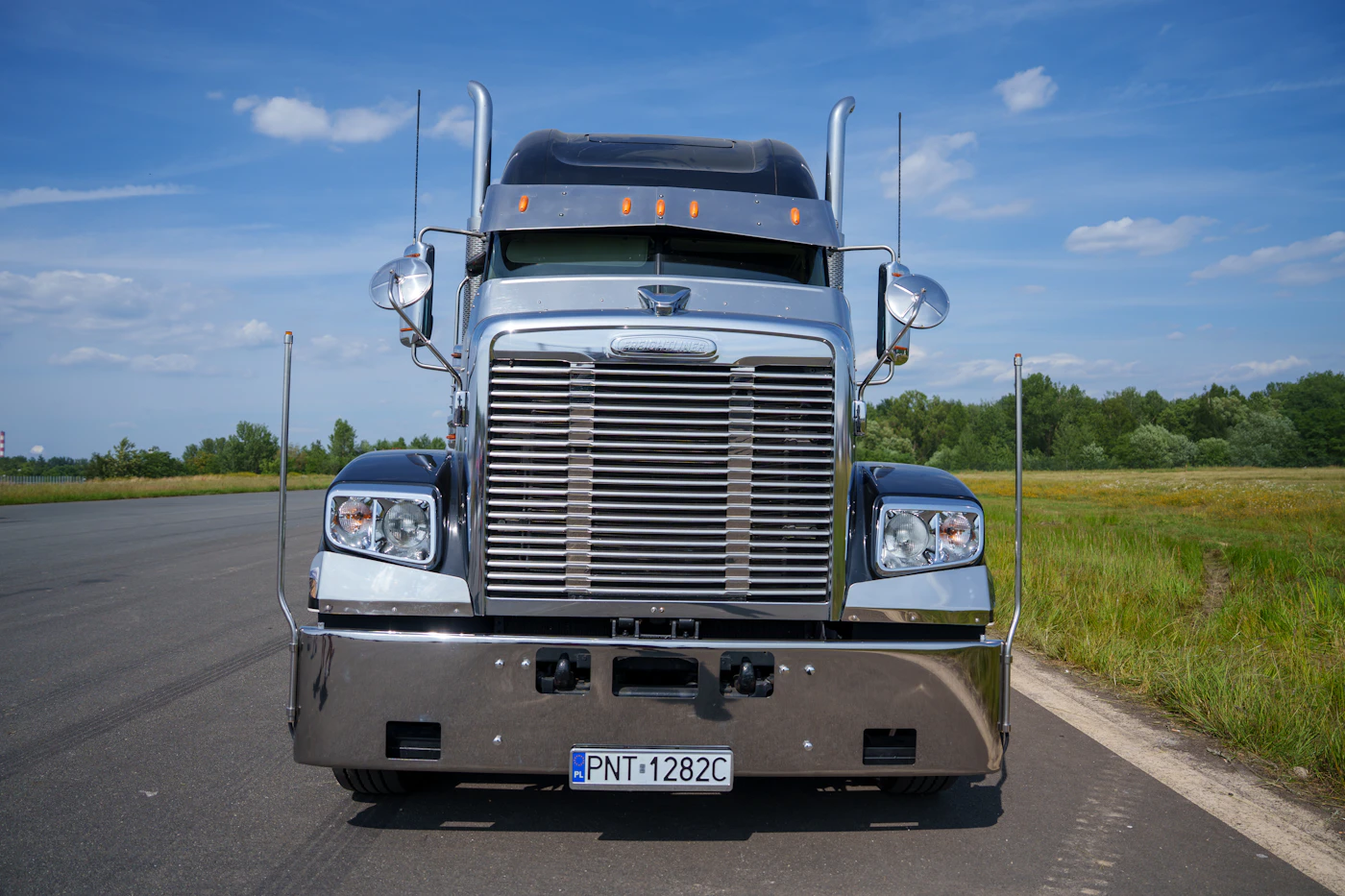
Box truck insurance for new and growing fleets.
Auto liability, cargo, physical damage and workers' comp for box trucks and cargo vans, whether you run local deliveries, contract last-mile routes or haul freight.
Quick answer A new box truck delivery business needs commercial auto and cargo coverage for what's in the back, since a personal auto policy won't cover a truck used for paid deliveries.
- Specialty markets write new box truck businesses without loss history, though new operators pay more and carriers look closely at driver experience.
- Paid delivery is commercial use, so a personal auto policy can deny a claim on a truck used for delivery work.
- A box truck business that carries other people's goods usually needs cargo insurance, and brokers and shippers often require a set cargo limit.
- Underwriters quoting box truck insurance ask what the business carries, who it contracts with and how far its trucks drive.
- Interstate box truck work and many delivery contracts require a USDOT number, and California has its own carrier number and permit rules for commercial vehicles.
By Sam Alishahi · CA Insurance License #4348151 · Reviewed November 2026 · En español · How this page is researched
Delivery work isn't personal auto
A personal auto policy won't cover a truck used for paid deliveries. Box truck operators need commercial auto, cargo coverage for what's in the back, and often the filings and certificates that delivery contracts and brokers ask for.
I place box truck businesses, including new ones without a track record, with carriers that write the class, and match the limits your contracts require.
- Auto liabilityInjuries and damage you cause on the road.
- Motor truck cargoThe goods you're carrying.
- Physical damageRepairs to your own trucks.
- Workers' compDrivers and helpers.
What underwriters will ask
Having these ready means I can go to market on the first call. The quote form asks for the same things, and anything you don’t know yet can wait.
- Trucks: year, make, VIN, size and value.
- Drivers: names, dates of birth, license numbers and experience.
- Work: what you carry, who you contract with, and how far you drive.
- Numbers: USDOT, MC and California CA numbers, if you have them.
- Contracts: the limits and certificates your contracts require.
- Current policy: declarations and loss runs.
Keeping the USDOT number active
Who needs a USDOT number, and when an MC number comes on top of it, is covered in for-hire vs. not-for-hire trucking. The upkeep is what owners miss. Under 49 CFR 390.19T, a motor carrier files Form MCS-150 before it begins operations and again every 24 months:
- The month comes from the last digit of the USDOT number: 1 is January, 9 is September and 0 is October. The update is due by the last day of that month.
- The year comes from the next-to-last digit: odd files in odd-numbered years, even in even-numbered years. A number ending in 47 is due by July 31 of even years, such as 2026 and 2028.
- Missing it exposes the carrier to federal penalties and deactivation of the USDOT number.
California ties its own number to this. Under Vehicle Code 34507.5, a carrier that needs a California carrier identification number (CA number) must get a USDOT number first, even for in-state work, and keep that USDOT information accurate: updated before it operates, at least once every two calendar years, and within 15 days of a change or of stopping or resuming operations. The trucking compliance calendar works out your dates from the number.
Is your box truck in the BIT program?
Many box trucks have left the CHP's Basic Inspection of Terminals program. A CHP information bulletin dated February 11, 2025 says Assembly Bill 3278 took trucks described in Vehicle Code 34500(j), the catch-all for other motortrucks regulated by the DMV, the Department of Consumer Affairs or the U.S. Department of Transportation, out of BIT and out of the 90-day inspection rule, effective January 1, 2025.
Vehicle Code 34501.12 now applies BIT to the types in 34500 (a), (b), (e), (f), (g) and (k). For a box truck operation, that means:
- Three or more axles and over 10,000 lb GVWR, so a tandem-axle box truck is in even when rated under 26,001 lb.
- A commercial vehicle rated 26,001 lb or more, one towing a trailer rated over 10,000 lb, or a truck and trailer over 40 feet coupled.
- Hazmat that requires placards, a hazardous materials transportation license or hazardous waste transporter registration.
A two-axle box truck under 26,001 lb, towing nothing and hauling no such hazmat, isn't one of those types. Covered vehicles need a carrier inspection at least every 90 days, including brake adjustment, brake components and leaks, steering and suspension, tires and wheels, and connecting devices, with records kept at the terminal for two years (34505.5). Out of BIT isn't out of reach: per the same bulletin, J-trucks still follow Title 13 rules on hours of service, vehicle condition and maintenance, and the CHP still inspects the terminals they run from. If your setup is borderline, ask the CHP's Commercial Vehicle Section.
Box truck insurance, answered
Can a new box truck business get insurance?
Yes. New operators pay more without a history, and carriers look closely at driver experience, but specialty markets write new ventures.
Do I need cargo insurance?
If you carry other people's goods, usually yes, and brokers and shippers often require a set cargo limit.
Does personal auto cover delivery work?
No. Paid delivery is commercial use, and a personal policy can deny the claim.
Do I need a USDOT number?
Interstate work and many contracts require one. California also has its own carrier number and permit rules for commercial vehicles. Tell me your routes and I'll point out what applies.
Do I need a USDOT number for a box truck that only runs in California?
If you need a California CA number, yes. Vehicle Code 34507.5 says a carrier must first get a USDOT number from FMCSA and list it on the CA number application. A CA number is required of anyone hauling property for pay or running a truck of two or more axles over 10,000 lb GVWR (Vehicle Code 34601).
Does a cargo van need a California Motor Carrier Permit?
Yes, if you're paid to haul property in it: the DMV requires a permit from anyone paid to transport property in their vehicle, regardless of size, type or weight. A van used only for your own goods generally needs one only if it is rated 10,001 lb GVWR or more, hauls hazmat, or its operation requires a CDL.
Do you offer box truck insurance outside California?
Yes. Clients across the country send the same quote form. Sam Alishahi is licensed in all 50 states and Washington, DC and places policies there directly. The shopping across carriers works the same way. Rules, minimums and markets differ by state — see truck insurance by state or insurance requirements by state.
Official sources
- 49 CFR 390.19T, motor carrier identification report (MCS-150 filing schedule), eCFR
- California DMV, Motor Carrier Permits
- Cal. Vehicle Code 34507.5, carrier identification number
- Cal. Vehicle Code 34601, motor carrier of property and commercial motor vehicle
- Cal. Vehicle Code 34631.5, motor carrier of property liability minimums
- Cal. Vehicle Code 34500, vehicles regulated by the CHP
- Cal. Vehicle Code 34501.12, Basic Inspection of Terminals program
- Cal. Vehicle Code 34505.5, 90-day inspections
- CHP Information Bulletin, Removal of motortrucks identified in Section 34500(j) from the BIT program (Feb. 11, 2025)
- IRMI glossary: motor truck cargo
Send your trucks and drivers. I'll shop it.
A truck list, a driver list and your current declarations page are enough to start.
Alishahi Insurance · Saman Alishahi, independent insurance broker, California License #4348151. General information, not a quote or a promise of coverage; coverage depends on underwriting and the terms, conditions and exclusions of the policy actually issued. Some policies may be placed with nonadmitted (surplus lines) insurers, which are not members of the California Insurance Guarantee Association (CIGA).
Tell me how to reach you. I’ll take it from there.
Takes about 30 seconds. Your next step comes by email, and you get an update at every step until your quotes are ready.
(877) 711-4545Answered 24/7 · CA License #4348151
Get a reminder before your renewal.
Tell me when your policy renews and I’ll email you about six weeks before, when it’s worth comparing. One email, no calls.