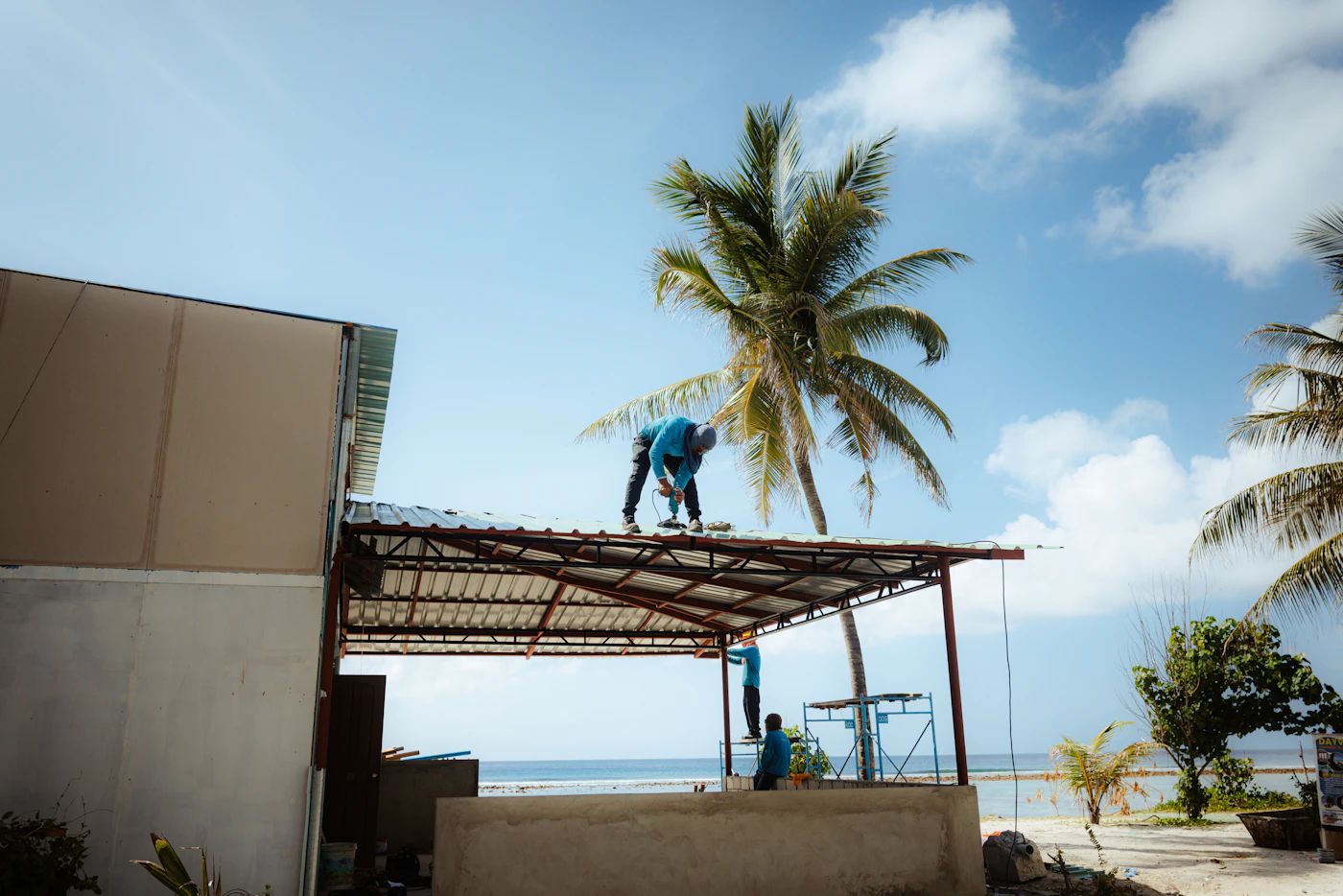
Builder’s risk from groundbreaking to finish.
Coverage for a building while it’s under construction or major renovation, including materials on site and in transit, for property owners and contractors.
By Sam Alishahi · CA Insurance License #4348151 · Reviewed November 2026 · How this page is researched
The months other policies exclude
A building under construction faces risks a finished one doesn’t: fire, theft of materials, vandalism and weather damage to open framing.
Builder’s risk covers the project itself for the length of construction. It doesn’t replace the contractor’s liability or workers’ comp.
- The structureThe building under construction, typically valued at completed value.
- MaterialsSupplies on site, in storage and in transit, depending on the policy.
- TermWritten for the project, commonly extendable if construction runs long.
- Not includedContractor liability, workers’ comp and usually tools and equipment.
What underwriters will ask
Having these ready means I can go to market on the first call. The quote form asks for the same things, and anything you don’t know yet can wait.
- Project: address, scope and construction type.
- Value: completed value and existing structure value if renovating.
- Timeline: start date and expected completion.
- Builder: licensed contractor or owner-builder.
- Security: fencing, cameras and site protection.
- Lender: construction loan requirements.
What builder’s risk covers, and what it doesn’t
What builder's risk covers
Builder's risk is a form of property insurance that covers the structure being built or renovated, plus materials and supplies:
- On site, installed or awaiting installation
- In transit to the site, often with a sub-limit
- Stored off site, often with a sub-limit
Covered perils typically include fire, lightning, wind, hail, explosion, theft, vandalism and certain water damage, depending on whether the form is "all risk" or named perils.
What it usually doesn't cover
- Contractors' tools and equipment (covered by inland marine or contractor's equipment policies)
- Liability for injuries or damage to others (covered by general liability)
- Faulty workmanship, design or materials themselves, though resulting damage may be covered depending on the wording
- Earthquake and flood, unless added
- Wear and tear, mechanical breakdown and some water damage such as gradual leaks
- Employee theft by the insured's own employees
- Government action
Coverage forms
- Completed value form: the limit is set at the full expected value of the completed project. It's the most common for single projects.
- Reporting form: values are reported periodically as construction progresses, and premium is adjusted. It's more common for contractors with multiple projects.
- Renovation or remodel forms: for projects on existing structures, coordinated with the existing building's property policy.
Important extensions
- Soft costs: additional expenses due to a covered delay, such as extra interest on construction loans, permit fees, architect re-design fees, insurance and taxes.
- Delay in completion / loss of rents or income: lost rental or business income if a covered loss delays opening.
- Debris removal and pollutant cleanup.
- Building ordinance coverage.
- Testing coverage for systems being tested, such as plumbing or HVAC.
- Expediting expenses.
Contractors and job-site protection
Contractor requirements
Builder's risk protects the property, but you also need to verify your contractor's coverage:
- License: in California, check the contractor's license and workers' comp status with the Contractors State License Board: CSLB – Check a license.
- General liability and workers' compensation certificates.
- Additional insured status for you on the contractor's general liability. See our contractor additional insured guide.
Theft and fire prevention on job sites
- Fence and light the site; use cameras.
- Schedule deliveries just-in-time and lock up materials.
- Mark tools and equipment.
- Control hot work with permits and fire watches.
- Keep fire extinguishers on site; follow local fire code requirements for construction sites. NFPA 241 is the standard for safeguarding construction operations: NFPA 241.
- Install water leak detection during systems testing.
Rebuilding after a disaster
Owners rebuilding after a wildfire often need builder's risk during reconstruction. Coordinate with your homeowners claim, and see our home insurance claim rights guide.
Builder’s risk, answered
Do I need builder’s risk insurance to build an ADU?
Often, yes. An ADU is new construction, and your homeowners policy may not cover the structure and materials while it’s being built. A builder’s risk policy covers the ADU during construction, and your lender or contractor may require one.
Who buys builder’s risk, the owner or the contractor?
Either, depending on the contract. The construction contract usually says who is responsible.
Does builder’s risk cover the contractor’s tools?
Usually not. Tools and equipment are generally insured separately by the contractor.
When does coverage end?
Commonly when the project is completed, occupied or put to its intended use, depending on the policy.
Is earthquake covered?
Often excluded or available only by endorsement. Ask if you need it.
Is builder’s risk an inland marine policy?
Often. Many insurers write builder’s risk on an inland marine form, and others use a commercial property form such as ISO’s Builders Risk Coverage Form. Either way it covers the project while it’s being built. The contractor’s tools and equipment usually go on a separate inland marine floater.
Can builder’s risk cover a new apartment building?
Yes. Builder’s risk is written for apartment and other multifamily projects as well as single homes. Underwriters look at the completed value, construction type, number of stories, site security and the schedule. Line up the permanent building policy before units are occupied, since builder’s risk commonly ends at occupancy or completion.
What does builder's risk insurance cover?
Property under construction, including materials on site, in transit and in storage, against covered perils such as fire, wind and theft.
Does builder's risk cover liability?
No. Liability for injuries or damage to others is covered by general liability.
Does my homeowners policy cover a remodel?
It may cover the existing structure, but may not cover new materials or added value. Ask about a renovation endorsement or builder's risk.
Do you offer builder’s risk insurance outside California?
Yes. Clients across the country send the same quote form. Sam Alishahi is licensed in all 50 states and Washington, DC and places policies there directly. The shopping across carriers works the same way. Rules, minimums and markets differ by state — see insurance requirements by state.
Send the project details before you break ground.
Address, scope, value and timeline are enough to start.
Alishahi Insurance · Saman Alishahi, independent insurance broker, California License #4348151. General information, not a quote or a promise of coverage; coverage depends on underwriting and the terms, conditions and exclusions of the policy actually issued. Some policies may be placed with nonadmitted (surplus lines) insurers, which are not members of the California Insurance Guarantee Association (CIGA).
A short video from Sam
Under a minute each. Videos use an AI-generated version of Sam’s likeness and voice. General information only; coverage depends on your policy.
Tell me how to reach you. I’ll take it from there.
Takes about 30 seconds. Your next step comes by email, and you get an update at every step until your quotes are ready.
(877) 711-4545Answered 24/7 · CA License #4348151
Get a reminder before your renewal.
Tell me when your policy renews and I’ll email you about six weeks before, when it’s worth comparing. One email, no calls.